Overview
Inverness Botanic Gardens is home to the GROW Project, a long‑running and much‑loved gardening initiative supporting adults with learning disabilities. In March 2026, the Gardens hosted a community event in the GROW garden that brought together people with learning disabilities, people living with dementia, carers, garden staff, and researchers. The event explored how gardening and nature‑based activities can be inclusive, welcoming, and supportive for a wide range of people.
This case study shares what happened on the day, what participants told us, and how learning from the event will shape future activities at Inverness Botanic Gardens.
About the GROW Project
The GROW Project has been based at Inverness Botanic Gardens for over 25 years. It supports around 40 adults with learning disabilities, known as GROW gardeners, to take part in gardening and food‑growing activities in a supportive and inclusive environment.
GROW gardeners are involved in the full “seed to plate” process. They grow fruit, vegetables, herbs, and flowers, harvest what they grow, and use the produce to cook and share meals together. This hands‑on approach helps people build practical skills, confidence, friendships, and a sense of achievement. It also supports physical and mental wellbeing and encourages healthy and sustainable food choices.
Why this event took place
Staff at Inverness Botanic Gardens wanted to build on the success of the GROW Project by exploring how similar gardening and nature‑based activities could support other members of the community, including people living with dementia and their carers.
Spending time in natural spaces, taking part in gentle activity, and sharing experiences with others can help reduce isolation, support wellbeing, and create moments of enjoyment and connection for people affected by dementia. Carers also benefit from activities that are welcoming, relaxed, and easy to take part in.
The event was designed to bring people together, learn from lived experiences, and explore what inclusive gardening could look like in practice.
What happened on the day
The event took place at Inverness Botanic Gardens in March 2026, from mid‑morning until early afternoon. It was hosted by the GROW gardeners in their own garden spaces, giving visitors the chance to experience the project in action.
The GROW Project uses both public areas of the Gardens and a separate working area that is not usually open to visitors. This working area includes polytunnels, growing beds, sheds, and a kitchen where GROW gardeners prepare and share meals using the food they grow.
Participants spent time in both areas on the day. The GROW gardeners welcomed everyone, showed them around, and helped support the activities, creating a friendly, relaxed atmosphere.
Who took part
A total of 26 people attended the event, including:
- 8 GROW gardeners
- 6 people living with dementia
- 6 carers or care partners
- 2 gardeners employed by Inverness Botanic Gardens
- 3 researchers from the University of the Highlands and Islands (UHI)
Everyone was invited to share their thoughts on gardening, nature, and what helps activities feel welcoming and accessible.
Activities and shared experiences
The day included a mix of gentle, hands‑on activities:
- A relaxed walk through the public GROW garden
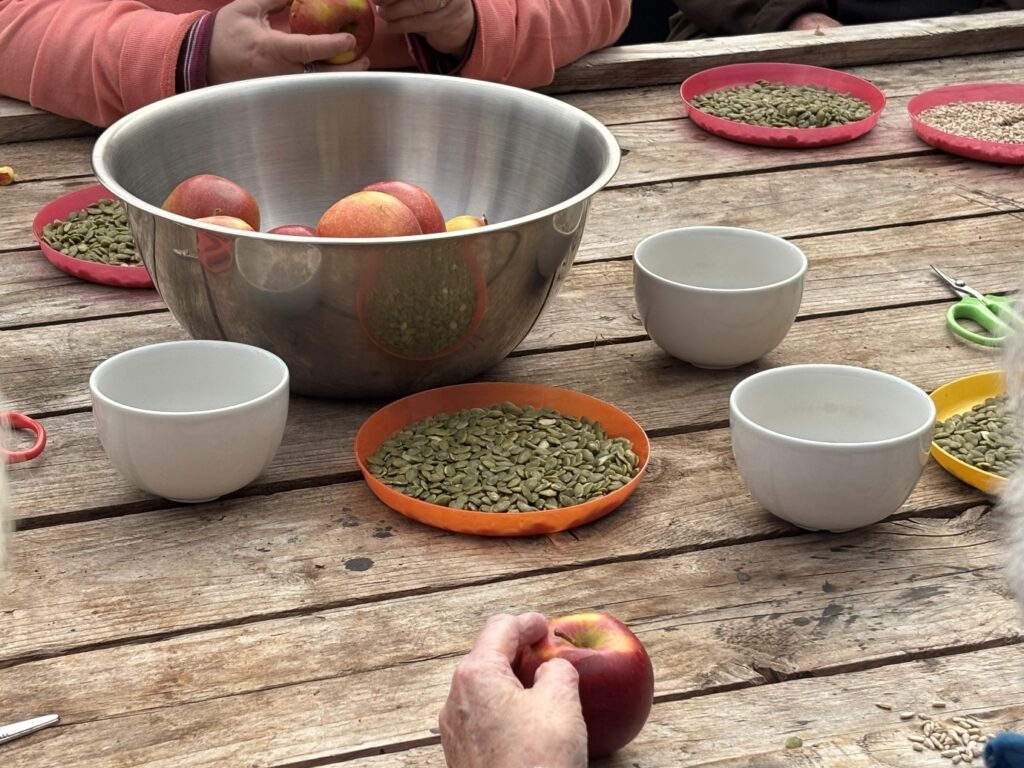
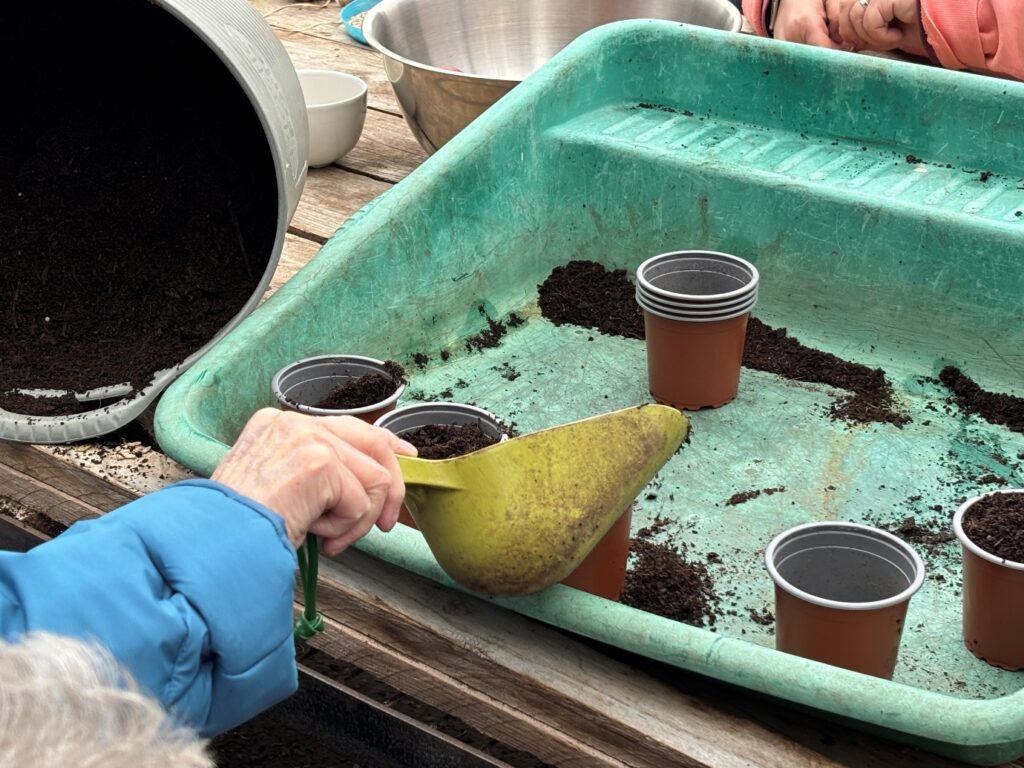
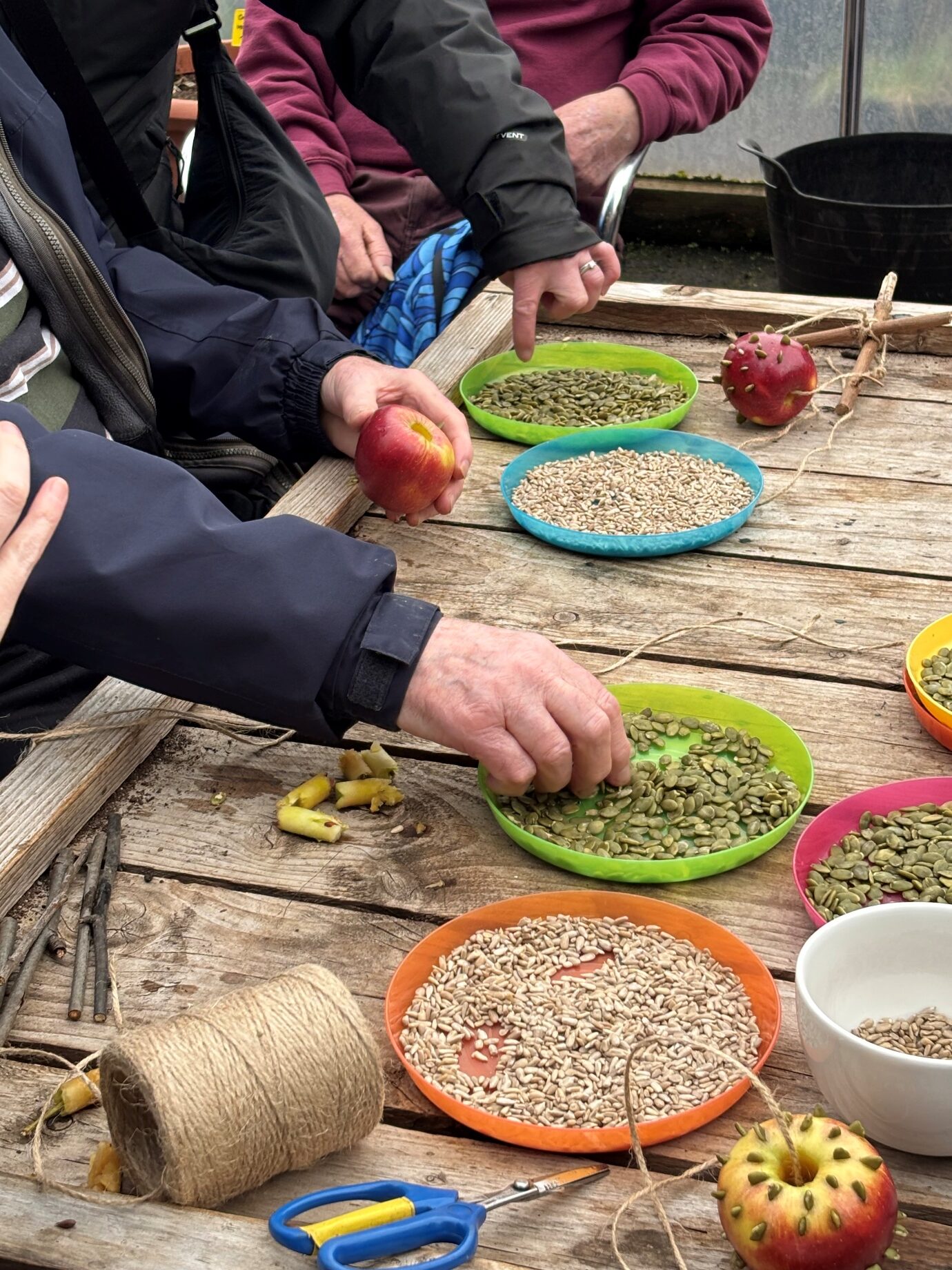
- Simple gardening tasks, such as planting peas and herbs and making bird feeders
- Time spent in the growing areas and polytunnels
- A shared lunch together in one of the Gardens’ glasshouses
Participants were encouraged to take home anything they made during the activities. Sharing lunch gave everyone space to chat, reflect, and connect informally after the session.
What we learned
Participants told us they really enjoyed the day and felt comfortable and included throughout the session. Simple, hands‑on activities such as touching soil, planting seeds, smelling herbs, and making bird feeders helped people relax and feel confident.
Several participants said they were surprised by what they could do and felt encouraged to try gardening again at home. Gardening also sparked memories and conversations, with people sharing stories about family members who used to garden.
Social connection was a key benefit. People enjoyed working together, meeting new people, and spending time with different generations. Many said they would like similar sessions in the future and valued being welcomed into parts of the Gardens they would not usually see.
Overall, the event showed that simple, well‑supported gardening activities can boost wellbeing, confidence, and connection, particularly for people living with dementia and their carers.
What participants said
“Really nice to meet everyone – really good, everyone did brilliant.”
“I liked touching the soil, pushing the peas down.”
“I can’t believe I planted seeds. I was really surprised – I didn’t realise I could do that.”
A local care home that attended with four residents said they would be keen to bring more people if a similar event was held again.
What’s next
Learning from this event will help Inverness Botanic Gardens plan future activities that are welcoming and supportive for people living with dementia, while remaining accessible to a wide range of community groups.
Inverness Botanic Gardens and the University of the Highlands and Islands hope to work together to secure funding to evaluate the impact of the GROW Project on health and wellbeing. This evidence could support the projects longer‑term funding and help extend garden‑based activities to other groups.
By involving people with lived experience from the start, this work aims to reflect real community needs, promote wellbeing, and strengthen the role of community green spaces in tackling health inequalities across the Highlands.
More information
University of the Highlands and Islands researchers:
Dr Megan Dickson megan.dickson@uhi.ac.uk (Centre for Rural Health Sciences, UHI)
Prof. Anthea Innes anthea.innes@uhi.ac.uk (Centre for Rural Health Sciences, UHI)
Inverness Botanic Gardens contact:
Ewan Mackintosh (Manager Inverness Botanic Gardens & Café)
The Grow Project: Grow Project | High Life Highland