A Community Collaboration Rooted in Nature, Food and Family Learning
Written by Kirsten Walton, Green Health Coordinator, Lochbroom & Ullapool Development Trust.
When local event planner Aliyah was given the opportunity to trial a new venue, Braemore Space, she wanted to create a family-friendly cooking event that would be engaging, welcoming and memorable for local children and their families.
Having heard about the work of the Stepping Stones Project, she approached Kirsten, Green Health Coordinator, to explore how nature-based activities could be incorporated into the session. Through these conversations, the idea for a Foraging and Cooking Class was developed.
To bring the idea to life, local Forest School Practitioner Steph joined the collaboration. Together, they designed an experience that combined outdoor exploration, food education and practical cooking skills.
Preparing Families for Success
A key factor in the success of the event happened before families even arrived.
Aliyah created an Easy Read social story booklet to help families understand what to expect from the day. The booklet included information about the venue, activities, timings and suggested items to bring along.
As Green Health Coordinator, I was particularly pleased to see this approach. I had recently completed Effective Communication training delivered by Alisa Davies and hosted by the Stepping Stones Project. Seeing those principles being put into practice was a powerful example of learning translating directly into community action.
The impact was evident from the moment families arrived. Children appeared comfortable and ready to participate, while parents arrived informed and confident about the day ahead.
A simple but telling observation was that every family had brought the optional items suggested in the booklet, including favourite aprons and wellies for outdoor play. This demonstrated that families had engaged with the information and felt prepared for the experience.
Exploring Food Through Nature
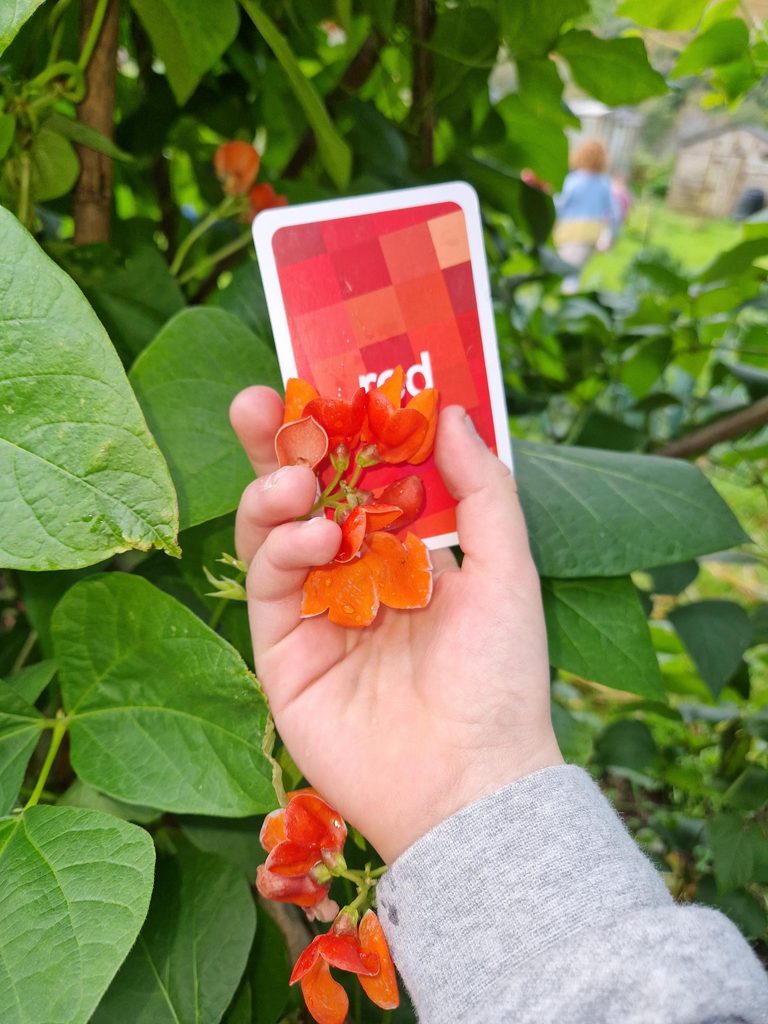
The session began outdoors, making use of the hedgerows and kitchen garden around Braemore Space.
Children took part in a range of foraging games and sensory activities which encouraged them to explore ingredients through touch, smell, observation and discussion. Rather than being introduced to foods in a traditional classroom setting, they discovered them through play and exploration.
This approach sparked curiosity and helped remove some of the barriers often associated with trying unfamiliar foods. Parents later commented that they were surprised by the range of foods their children were willing to taste during the session.
Cooking, Learning and Eating Together
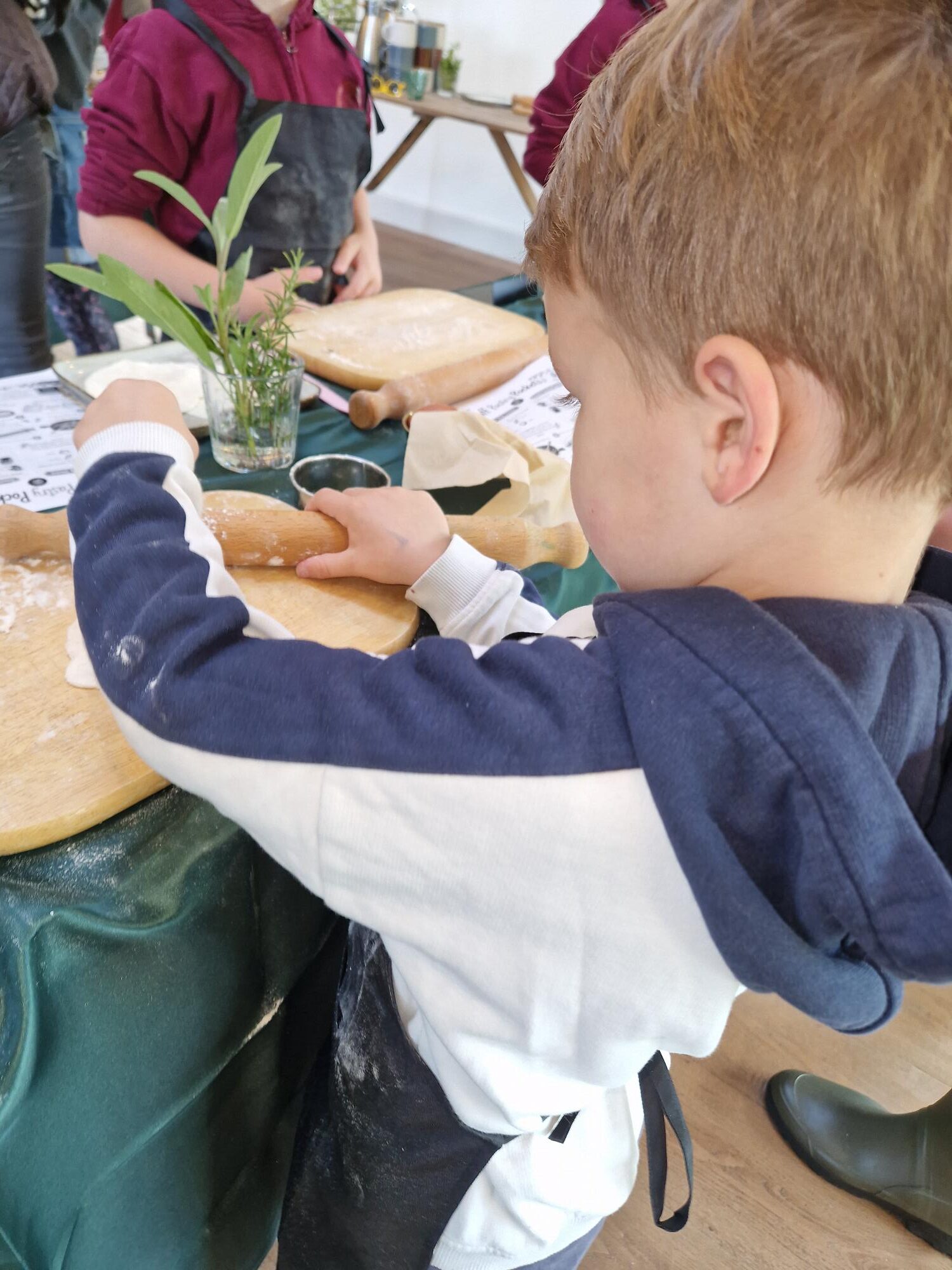
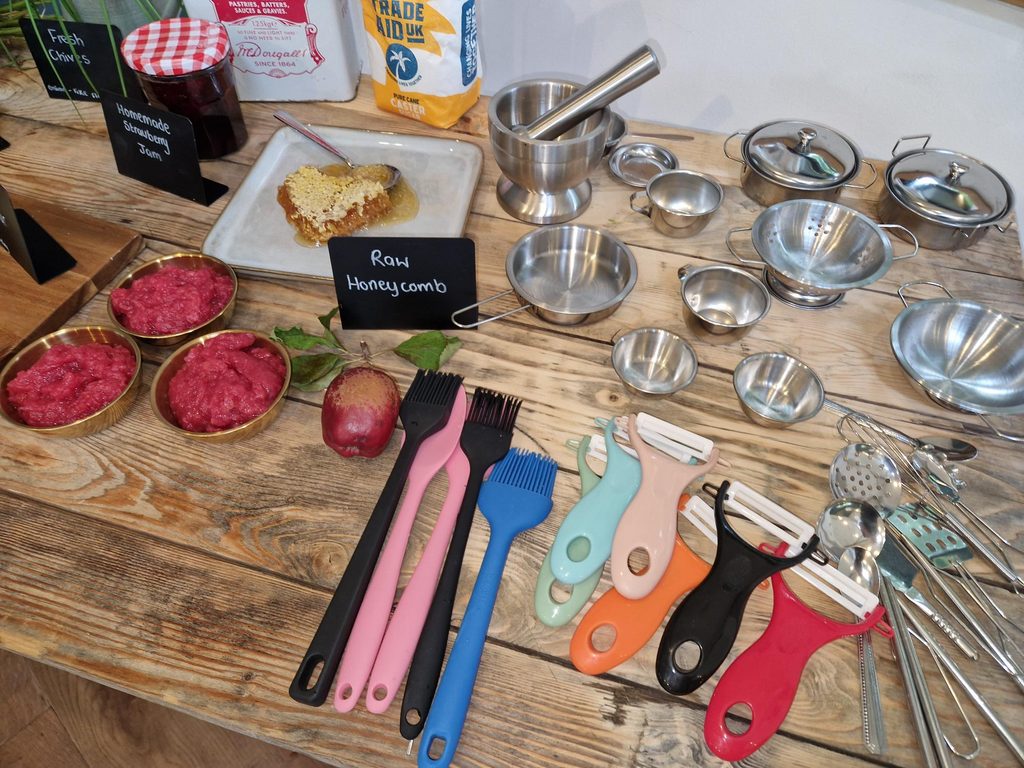
Families worked together throughout the cooking activities, preparing and creating a meal using ingredients explored earlier in the day.
One of the strongest observations was the way parents and children learned side by side. Families shared tasks, supported one another and developed new skills together throughout the session.
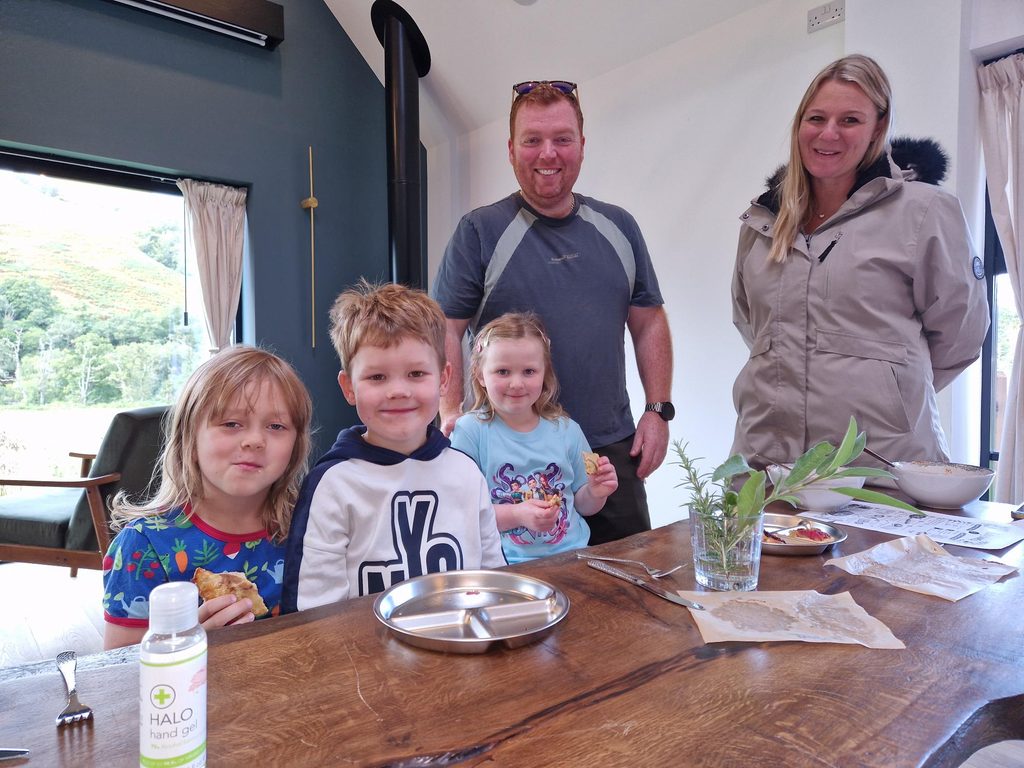
The day concluded with children sitting together to enjoy the food they had prepared. There was a clear sense of pride and achievement in what they had created.
Families were also able to take home leftover produce, helping to extend conversations and learning beyond the event itself.
Listening to Children’s Voices
Feedback was gathered using a simple visual evaluation tool.
Children placed stickers along a nature-themed path to indicate how much they had enjoyed the session. This low-pressure approach enabled children of all ages to share their views in a meaningful and accessible way.
The response was overwhelmingly positive. Many children immediately asked if there would be another session and offered suggestions about what they would like to cook next time.
Funding Impact
This project demonstrated what can be achieved when local skills, knowledge and resources are brought together around a shared goal.
As well as providing a high-quality family learning experience, the event offered Braemore Space an opportunity to test its indoor and outdoor facilities as a venue for future community activities.
A notable observation related to attendance. All but one of the children attending had previously participated in Kinder Croft activities through the forest nursery or holiday clubs. This was particularly significant as the event was promoted primarily through Aliyah’s own networks rather than through Kinder Croft or Stepping Stones channels.
While based on a small sample, this suggests that families who have positive experiences of nature-based activities are often keen to engage with similar opportunities. The findings highlight the value of offering a range of connected outdoor learning and green health activities within the community.
The project also demonstrated how accessible communication, partnership working and family-centred learning can increase participation and confidence.
Key Outcomes
🟢 Children showed increased willingness to try unfamiliar foods.
🟢 Parents reported surprise at the variety of foods their children tasted and enjoyed.
🟢 Families learned and worked together through shared practical activities.
🟢 Children engaged with nature using all their senses through foraging and exploration.
🟢 The Easy Read social story supported confidence, preparation and participation.
🟢 The event was fully booked, demonstrating strong interest in nature-based family activities.
🟢 All but one attendee had previous involvement with Kinder Croft, suggesting strong ongoing engagement with outdoor learning opportunities.
🟢 Braemore Space successfully tested its potential as a venue for future community wellbeing and nature-based events.
Reflection
What began as an opportunity to test a new venue evolved into a collaborative event that connected food, nature and family learning.
The combination of thoughtful planning, accessible communication, outdoor exploration and practical cooking created a positive experience for both children and adults. Perhaps the strongest indicator of success came from the children themselves, many of whom left not asking whether there would be another session but asking what they would be cooking next time.
The project highlighted the value of partnership working and demonstrated how relatively small-scale activities can create meaningful opportunities for learning, confidence building and connection to nature within the community.
Stepping Stones project is being jointly led by the Lochbroom & Ullapool Community Trust (LUCT) and the NHS Highland Health Improvement Team headed by Cathy Steer, who is the chair of the Highland Green Health Partnership and the Highland Mental Health & Wellbeing Delivery Group. It is funded by the Whole Family Wellbeing Fund.
The project aims to trial community-led pathways into nature-based health & well-being activities to:
- Improve families health & wellbeing,
- reduce social isolation
- provide effective identification of those in need of advice and support and faster intervention to enable them to avoid crisis, and
- build skills, knowledge and understanding of whole family wellbeing across those supporting families into nature-based activities.